Your Outdoor Space Deserves as Much Love as Your Interior
For too long, outdoor spaces have been treated as afterthoughts — spaces to mow and forget rather than to design and enjoy. But your garden, patio, balcony, or backyard has the potential to dramatically extend your home’s living space, providing an additional room for relaxing, entertaining, dining, and connecting with nature. The best part? Creating a beautiful outdoor living space does not require a landscape architect or a massive budget. With thoughtful planning, smart furniture choices, and a few inspired details, any outdoor area can be transformed into a room you use and enjoy every single day.
Start With a Vision and a Plan
Before purchasing any furniture, plants, or accessories, spend time thinking about how you want to use your outdoor space. Are you envisioning a serene retreat where you can read and relax alone? A lively entertaining space for hosting dinner parties and gatherings? A productive kitchen garden that supplies your table with fresh herbs and vegetables? A play space for children that is also attractive for adults? Most outdoor spaces need to serve multiple functions, and your plan should account for all of them. Sketch a rough layout showing where different zones — dining, lounging, gardening — will be situated, considering factors like sun orientation, privacy from neighbors, access from the house, and views both from inside and outside.
Create a Foundation With an Outdoor Rug
An outdoor rug is one of the most transformative and underused elements in outdoor design. Just as an interior rug defines a seating area and adds warmth underfoot, an outdoor rug immediately makes a patio or deck feel like a proper room rather than just an extension of hardscaping. Outdoor rugs are specifically constructed from polypropylene or similar synthetic fibers that resist fading, moisture, mildew, and the general abuse of outdoor life. They are available in an enormous range of colors, patterns, and sizes, from Persian-inspired designs to simple stripes and geometric patterns. Choose a rug large enough for all your outdoor furniture legs to rest on — or at minimum the front legs — for the most cohesive, designed look.
Choose Comfortable, Durable Outdoor Furniture
Outdoor furniture has evolved enormously in recent decades. The flimsy plastic chairs and rickety metal tables of the past have been replaced by sophisticated materials that are both beautiful and built to withstand the elements. Teak furniture is the gold standard — naturally resistant to moisture, insects, and weathering, it develops a beautiful silver-grey patina over time and lasts for decades with minimal maintenance. Powder-coated aluminum is lightweight, rust-proof, and available in a wide range of contemporary styles and colors. All-weather wicker constructed from synthetic resin over aluminum frames combines the casual, organic look of traditional wicker with modern durability. Whatever material you choose, invest in quality outdoor cushions with weather-resistant, UV-stable fabric — this is where comfort is created and where you will feel the difference most acutely during extended outdoor use.
Add Magical Ambiance With Outdoor Lighting
Nothing transforms an outdoor space after dark quite like beautiful lighting. String lights — whether café-style Edison bulbs draped overhead between posts, or delicate fairy lights woven through trees and shrubs — create an instantly magical, festive atmosphere that makes outdoor dining and entertaining feel like a special occasion every time. Solar-powered path lights define garden borders and provide safety without requiring any electrical work. Lanterns — whether hanging, tabletop, or floor-standing — add warmth and visual interest. Uplights directed at trees or architectural features create dramatic shadows and depth. Citronella candles serve the double purpose of ambiance and mosquito deterrence during warm summer evenings.
Plant a Container Garden
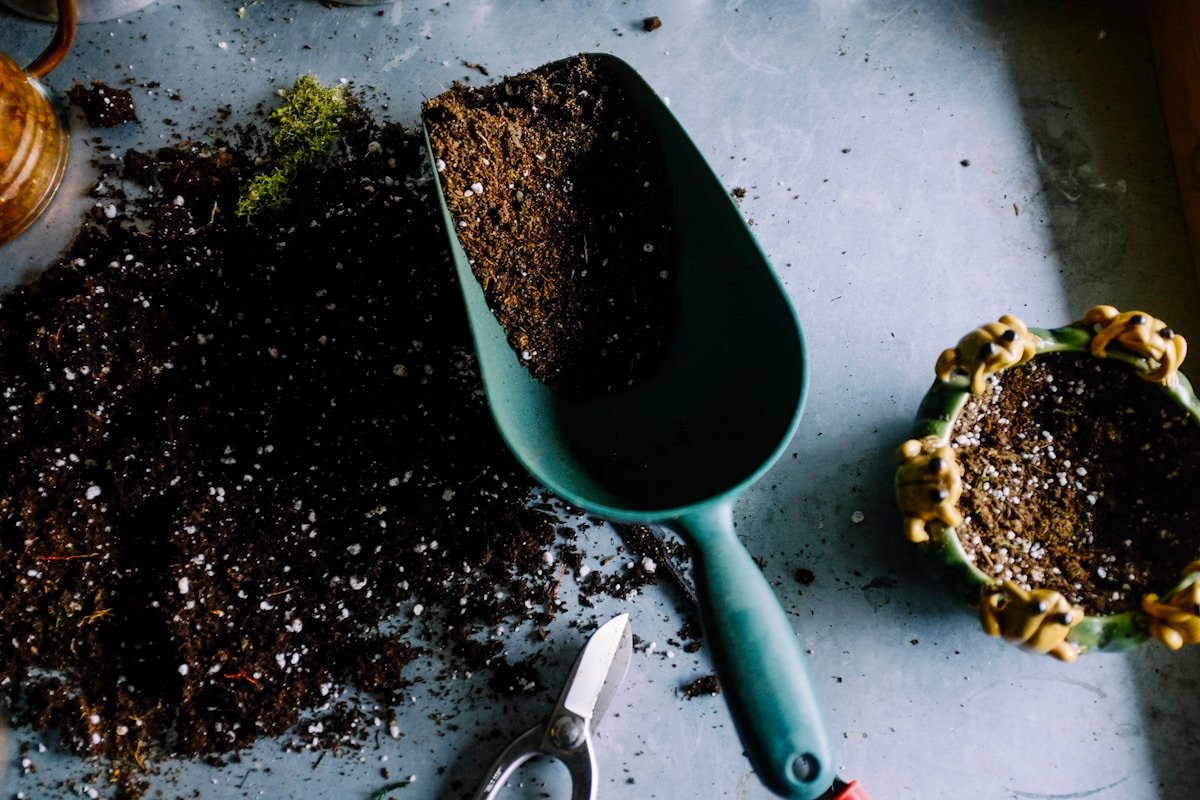
Even without a large garden bed, container gardening allows you to enjoy the beauty and satisfaction of growing plants in any outdoor space. Terracotta pots in assorted sizes grouped together create a Mediterranean-inspired vignette. Wooden planter boxes built from cedar or redwood offer natural rot resistance and can be customized to any size. Repurposed containers — old tin watering cans, vintage crates, ceramic bowls — add personality and charm. Plant combinations that work particularly well in containers include: summer flowers like zinnias, petunias, and geraniums for color; herbs like basil, rosemary, mint, and thyme for fragrance and culinary utility; trailing plants like sweet potato vine, lobelia, and bacopa for cascading drama over the edges of pots.
Create Privacy and Shade
Two of the most common obstacles to enjoying outdoor spaces are lack of privacy from neighbors and insufficient shade on hot days. Privacy screens — whether constructed from wood, bamboo, metal, or living plants — create a sense of enclosure that makes outdoor rooms feel more intimate and usable. Fast-growing bamboo in large containers, climbing plants on a trellis or lattice, or a row of tall ornamental grasses can all provide attractive, natural screening within a season or two. For shade, a quality cantilever umbrella, a pergola draped with climbing plants, a shade sail tensioned between posts, or a free-standing canopy structure dramatically increases the hours of comfortable outdoor use during hot weather.
Conclusion
The outdoor spaces of your home — however large or small — are an extension of your living environment and deserve the same thoughtful design attention you give to your interior rooms. With a clear vision, appropriate furniture, beautiful lighting, and the life and color that plants provide, any outdoor area can become a space you genuinely love. The investment pays dividends every time you step outside to enjoy a morning coffee, host a summer dinner party, or simply sit quietly and appreciate the natural world surrounding your home.