Why Energy Efficiency Matters More Than Ever
Rising energy costs, increasing environmental awareness, and growing concerns about climate change have made energy efficiency one of the most important considerations for modern homeowners. An energy-efficient home not only costs significantly less to operate each month but is also more comfortable year-round, better for the environment, and more attractive to future buyers. Many energy efficiency upgrades pay for themselves within a few years through utility bill savings, and some qualify for substantial government tax credits and utility rebates that reduce the initial investment considerably.
Start With an Energy Audit
Before investing in any energy efficiency upgrades, consider commissioning a professional home energy audit. A certified energy auditor will use specialized equipment including blower door tests and thermal imaging cameras to identify exactly where your home is losing energy — whether through inadequate insulation, air leaks, inefficient appliances, or poorly performing windows and doors. Many utility companies offer free or subsidized home energy audits to their customers. Armed with this information, you can prioritize upgrades based on their potential energy savings rather than guessing where to start.
Insulation: The Foundation of Energy Efficiency
Proper insulation is the single most impactful energy efficiency upgrade for most homes. Heat rises, so the attic is typically where the greatest energy losses occur — inadequate attic insulation can account for up to 25 percent of a home’s total heat loss. Adding blown-in insulation to an under-insulated attic is relatively affordable and delivers immediate, measurable results in both comfort and energy costs. Wall insulation is more invasive but particularly impactful in older homes built before modern insulation standards. Insulating crawl spaces and basement walls also contributes significantly to overall energy performance and can reduce moisture problems at the same time.
Window Replacement and Upgrades
Windows are a significant source of heat loss in winter and heat gain in summer. Single-pane windows — common in homes built before the 1990s — provide minimal thermal resistance. Upgrading to double-pane windows with low-emissivity coatings and gas fills between the panes dramatically reduces energy transfer, keeping heat inside in winter and outside in summer. While window replacement is expensive, the energy savings, improved comfort, and noise reduction benefits are substantial. If full window replacement is not immediately feasible, interior or exterior window film with low-emissivity properties, applied directly to existing glass, can meaningfully improve performance at much lower cost.
Seal Air Leaks Throughout the Home
Even in a well-insulated home, air leaks can negate much of the insulation’s benefit. Common air leak locations include: around window and door frames, at the junction between walls and ceilings, around electrical outlets and switches on exterior walls, around plumbing penetrations, at the attic hatch or door, and where different building materials meet. Sealing these leaks with appropriate caulk, expanding foam, or weatherstripping is inexpensive, quick, and delivers an excellent return on investment. A comprehensive air sealing effort can reduce heating and cooling costs by 15 to 30 percent and significantly improve indoor comfort by eliminating drafts.
Upgrade to LED Lighting Throughout
If your home still has incandescent or CFL bulbs, replacing them with LED alternatives is one of the simplest and most cost-effective energy upgrades available. LED bulbs use 75 to 90 percent less electricity than incandescent bulbs and last 15 to 25 times longer, meaning they rarely need replacement. The quality of LED light has improved dramatically — today’s LED bulbs are available in warm, natural, and cool white color temperatures and are fully dimmable. The upfront cost is minimal, the energy savings are immediate, and the cumulative savings over years of use are substantial across an entire household’s worth of light fixtures.
Solar Panels: The Long-Term Investment
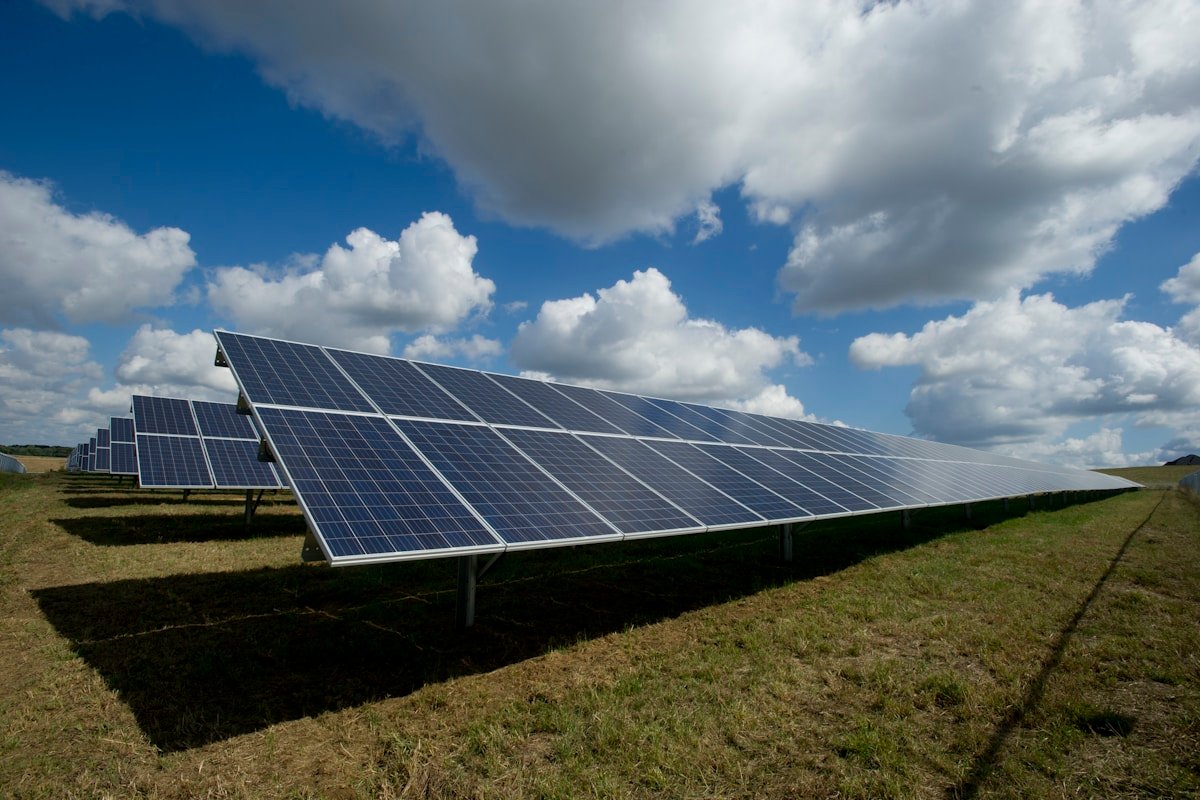
Solar panel systems have decreased in cost by over 70 percent in the past decade and continue to become more affordable and efficient. A properly sized solar system can eliminate the majority of a household’s electricity costs, and in some areas, excess energy generated can be sold back to the grid for additional savings or credit. Federal tax credits, state incentives, and financing options like solar leases and power purchase agreements have made solar accessible to a much broader range of homeowners. Before investing, have multiple solar companies assess your roof’s suitability and provide quotes — orientation, angle, shading, and local electricity rates all factor into whether solar is a sound investment for your specific situation.
Conclusion
The path to an energy-efficient home does not require making all upgrades simultaneously. Start with the highest-impact, lowest-cost improvements — air sealing, LED lighting, and a programmable thermostat — and build from there as budget allows. Each upgrade compounds the benefits of the others, and the cumulative result is a home that costs less to operate, is more comfortable in every season, has a smaller environmental footprint, and commands a higher price if and when you choose to sell. Energy efficiency is one investment that truly pays you back, month after month, for as long as you own your home.